Top Ohio Pest Control Strategies for Spring and Summer
Spring and summer in Ohio bring warmer temperatures, increased humidity, and longer daylight hours. While these conditions are ideal for enjoying outdoor spaces, they also create the perfect environment for pests to thrive. From ants and mosquitoes to rodents and wasps, homeowners often face increased pest activity during these seasons.
Effective pest control during spring and summer requires a combination of preventive measures, seasonal adjustments, and proactive monitoring. Understanding pest behavior and implementing the right strategies can help Ohio homeowners maintain a safe, comfortable, and pest-free home environment.
Key Takeaways
- Seasonal pest activity in Ohio increases during spring and summer.
- Preventive home maintenance reduces opportunities for infestations.
- Proper outdoor landscaping and water management can deter pests.
- DIY methods can help but are often best complemented by professional guidance.
- Early detection and monitoring prevent serious infestations.
- Safe and responsible use of pest control products protects families and pets.
Understanding Seasonal Pest Activity in Ohio
Pest populations fluctuate throughout the year, and spring and summer bring a noticeable increase in activity.
Common Spring and Summer Pests
- Ants: Emerge in the spring looking for food and moisture.
- Mosquitoes: Breed in standing water and become more active during warm months.
- Rodents: Mice and rats increase outdoor activity and may seek shelter indoors.
- Wasps and Bees: Build nests and become more aggressive as the season progresses.
- Spiders: Enter homes in search of prey attracted by increased insect activity.
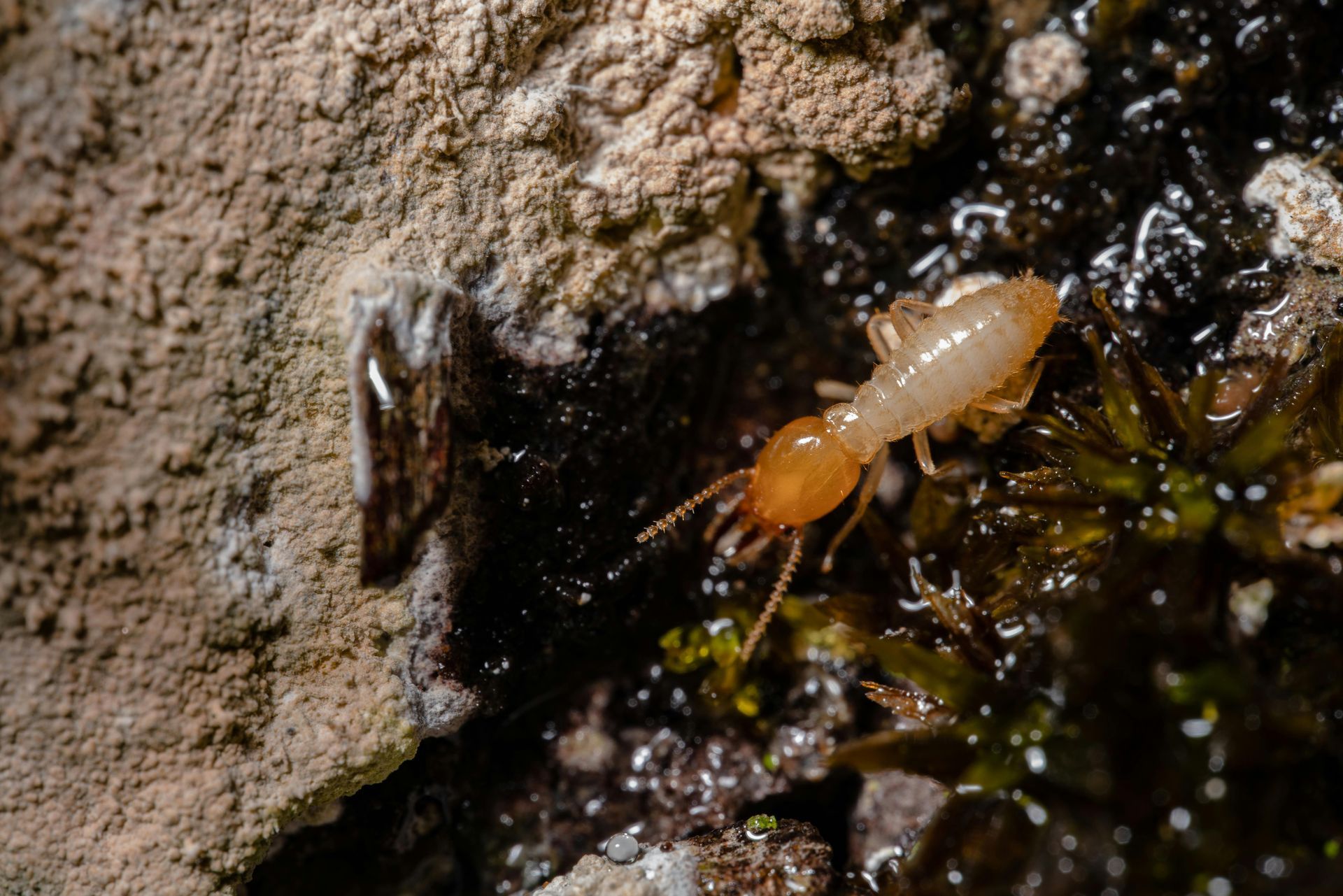
- Termites: Subterranean termites become more active in spring as soil temperatures rise.
Regular Home Inspections to Catch Early Signs of Pests
Frequent inspections are essential for detecting early pest activity. Checking common problem areas like kitchens, basements, attics, and outdoor perimeters helps homeowners identify issues before they escalate.
Tips for Inspections:
- Look for droppings, chewed wires, or gnaw marks
- Identify ant trails or insect nests near foundations
- Inspect window sills, door frames, and vents
- Keep a checklist and record observations each season
Cleaning and Sanitation Practices That Reduce Pest Attraction
Pests are drawn to food, moisture, and clutter. Maintaining a clean home reduces their attraction.
Key Cleaning Measures:
- Wipe counters and dining areas daily
- Store food in airtight containers
- Take out trash regularly and keep bins covered
- Clean under appliances and furniture
- Maintain clean pet feeding areas
Sealing Common Entry Points to Prevent Indoor Infestations
Small openings around doors, windows, and utility lines allow pests to enter homes. Sealing these areas is a crucial preventive step.
Lawn and Garden Maintenance for Pest Prevention
Outdoor landscaping can either encourage or discourage pests. Simple practices can make a big difference.
Tips for Lawn and Garden Care:
- Trim trees and shrubs away from the house
- Remove debris, leaf litter, and organic matter
- Avoid stacking firewood against the home
- Use gravel or mulch barriers near foundations
- Plant pest-resistant vegetation when possible
Strategy 1: Home Maintenance and Prevention
A well-maintained home is the first line of defense. Regular upkeep reduces vulnerabilities and prevents infestations.
Key Steps for Home Maintenance:
- Seal cracks in walls, doors, and windows
- Repair broken screens
- Ensure proper ventilation in attics and crawl spaces
- Maintain gutters and downspouts
- Remove clutter from garages and basements
Strategy 2: Outdoor Pest Management
Many pests originate outside. Managing outdoor areas reduces the risk of indoor infestations.
Best Practices:
- Maintain yards and patios
- Inspect sheds and decks for termite activity
- Use gravel or barriers around foundations
- Apply outdoor-safe treatments for mosquitoes and ants
Managing Mosquitoes: Prevention and Outdoor Protection Tips
Mosquitoes breed in standing water and can spread disease. Effective control involves eliminating breeding sites and using repellents.
Tips:
- Empty water from containers regularly
- Use mosquito dunks in ponds or birdbaths
- Install screens on doors and windows
- Apply EPA-approved repellents on exposed skin when outdoors
Dealing With Ants in Spring and Summer
Ants become highly active during warmer months. Preventing them requires early action.
Control Measures:
- Remove food sources
- Seal entry points
- Use bait traps strategically
- Monitor trails for increased activity
Rodent Prevention and Control Strategies
Rodents seek shelter and food during warm months. Preventing infestations requires a combination of exclusion and monitoring.
Tips:
- Seal holes and cracks larger than a quarter inch
- Store food in secure containers
- Remove outdoor debris where rodents may hide
- Set traps as needed and monitor regularly
Wasp and Bee Nest Management During Peak Season
Wasps and bees can be aggressive in spring and summer. Managing nests early is essential for safety.
Guidelines:
- Inspect eaves, sheds, and patios for nests
- Avoid disturbing active nests
- Consider professional removal for large or difficult nests
- Educate family members on safety precautions
Spider Prevention and Habitat Reduction Tips
Spiders enter homes to hunt insects. Reducing prey and hiding places helps control their populations.
Preventive Measures:
- Vacuum webs and egg sacs regularly
- Reduce clutter in basements, attics, and closets
- Keep outdoor lighting minimal to avoid attracting insects
- Seal entry points to prevent indoor access
Strategy 3: Seasonal Monitoring and Early Detection
Monitoring pests during peak activity allows for timely intervention. Regular checks prevent minor issues from becoming infestations.
Monitoring Techniques:
- Track rodent droppings and chew marks
- Observe insect trails or nests
- Check for signs of termites or carpenter ants
- Keep seasonal records of sightings
Strategy 4: Integrated Pest Management (IPM)
IPM combines prevention, monitoring, and targeted control to minimize pest problems while limiting chemical use.
IPM Components:
- Prevention: Seal entry points and remove attractants
- Monitoring: Track pest activity
- Physical Controls: Use traps and barriers
- Chemical Controls: Apply pesticides carefully if needed
- Education: Understand pest behavior for long-term prevention
Strategy 5: Safe Use of Pesticides
Pesticides are useful but must be applied safely. Proper application protects family, pets, and the environment.
Best Practices:
- Follow label instructions
- Target treatment areas rather than general spraying
- Wear protective clothing
- Store products securely
- Consider eco-friendly alternatives
Strategy 6: Professional Pest Control Assistance
Professional services provide expertise for persistent or specialized pests.
Benefits:
- Access to advanced treatments
- Regular inspections and monitoring
- Knowledge of Ohio pest behavior
- Long-term preventive guidance
Strategy 7: Pest-Specific Tips for Spring and Summer
| Pest | Prevention & Control Tips |
|---|---|
| Ants | Seal entry points, use bait traps, remove food |
| Mosquitoes | Eliminate standing water, screens, repellents |
| Rodents | Seal gaps, traps, secure food storage |
| Wasps & Bees | Remove nests early, avoid disturbance |
| Spiders | Reduce prey, vacuum, seal cracks |
| Termites | Monitor soil and wooden structures, consult professionals |
Strategy 8: Educating Household Members
Educating everyone in the home reinforces pest control efforts.
Tips:
- Encourage proper food storage
- Report pest sightings promptly
- Maintain screened windows and doors
- Use repellents safely
Strategy 9: Seasonal Adjustments and Flexibility
Pest activity varies with weather. Flexibility ensures timely responses.
Adjustments:
- Monitor after rain or storms
- Adjust treatments based on activity levels
- Prepare outdoor areas for mosquitoes and wasps
- Adapt landscaping to reduce new pest habitats
Strategy 10: Combining Indoor and Outdoor Measures
A holistic approach combines indoor and outdoor strategies for maximum protection.
Indoor Measures:
- Vacuum and clean regularly
- Seal pantry items
- Inspect basements, attics, and crawl spaces
Outdoor Measures:
- Maintain yards and gardens
- Apply barriers around foundations
- Use outdoor-safe pest treatments as needed
Frequently Asked Questions
What are the most common spring and summer pests in Ohio?
Ants, mosquitoes, spiders, wasps, rodents, and termites are the most active.
How often should I inspect my home for pests?
Inspections at least once per season are recommended, with extra checks after storms.
Can I rely solely on DIY pest control?
DIY methods are useful for minor problems, but professionals are needed for persistent pests.
How do weather conditions affect pest activity?
Warm temperatures, rain, and humidity increase insect and rodent activity.
What is Integrated Pest Management?
IPM is a balanced approach using prevention, monitoring, physical and chemical controls, and education to manage pests effectively.
Final Thoughts
Spring and summer bring heightened pest activity in Ohio. Home maintenance, outdoor management, seasonal monitoring, pest-specific strategies, and professional guidance work together to prevent infestations. Educating household members and staying flexible with seasonal adjustments further strengthens control efforts. By implementing these strategies, homeowners can enjoy a safe, comfortable, and pest-free home throughout the warmer months.
If you want professional assistance in keeping your home pest-free this spring and summer, contact our team.
Reference:
https://www.qualityassurancemag.com/article/top-10-things-to-know-about-pest-exclusion/
Share this article