5 Signs You Might Have a Bed Bug Infestation in Shelby, OH
Bed bugs are among the most persistent and troublesome pests that can invade your home, and residents of Shelby, Ohio are not immune to these unwelcome visitors. These tiny parasites are expert hitchhikers that can enter your home through luggage, used furniture, clothing, or even by crawling through shared walls in apartment buildings. Recognizing the early warning signs of a bed bug infestation is crucial for prompt treatment and preventing a small problem from becoming a major headache that requires extensive professional intervention.
Key Takeaways
- Blood stains and rust-colored spots on bedding are often the first visible signs of bed bug activity in your sleeping areas
- Sweet, musty odors in bedrooms may indicate a significant bed bug population that requires immediate attention
- Small, dark fecal spots on mattresses, furniture, and walls are telltale signs of bed bug harborage areas
- Red, itchy bite marks on your skin, especially in lines or clusters, often appear after bed bug feeding
- Live bugs or shed skins found in mattress seams, furniture cracks, and baseboards confirm an active infestation
- Early detection and professional treatment are essential for effective bed bug elimination and preventing spread to other areas
1. Unexplained Blood Stains and Rust-Colored Spots
One of the most common early indicators of bed bug activity is the appearance of small blood stains on your sheets, pillowcases, or pajamas. These stains occur when you unknowingly crush a bed bug that has recently fed on your blood during the night. The stains typically appear as small, rust-colored or reddish-brown spots that may be circular or slightly smeared.
You might also notice these stains on your mattress, particularly around the head of the bed, where these pests commonly congregate. Unlike other types of stains, blood spots from bed bugs tend to have a distinctive rust-like appearance once they dry. These stains are often accompanied by other signs of bed bug activity, making them an important piece of the puzzle when determining whether you have an infestation.
What to look for:
- Small reddish or rust-colored stains on bedding and sleepwear
- Circular or slightly smeared blood spots on mattresses
- Concentration of stains near the head of the bed
- Fresh stains that appear regularly despite washing bedding
If you're discovering these mysterious stains regularly, it may be time to contact a professional pest control service in Shelby to conduct a thorough inspection of your sleeping areas.
2. Sweet, Musty Odor in Your Bedroom
Bed bugs produce pheromones that create a distinctive sweet, musty, or coriander-like smell when they gather in large numbers. This odor becomes more noticeable as the infestation grows and is often described as smelling similar to overripe berries, almonds, or wet towels. The scent is produced by special glands that bed bugs use for communication and tends to be strongest in areas where they congregate.
The smell is typically most noticeable in the morning when you first enter your bedroom, as bed bugs are most active during nighttime hours. You may notice this odor near your bed, in closets where clothing is stored, or around upholstered furniture where bed bugs might be hiding. Some people are more sensitive to this smell than others, so not everyone in your household may detect it initially.
This distinctive odor often indicates a well-established infestation that has been present for several weeks or months. If you notice this smell persistently in your bedroom or other sleeping areas, it's important to begin looking for other signs of bed bug activity and consider contacting an exterminator in Mansfield or the surrounding Shelby area for professional assessment.
3. Dark Spots and Staining on Mattresses and Furniture
Bed bug fecal spots appear as small, dark stains that look similar to ink spots or small blood stains. These spots are typically smaller than blood stains and have a darker, more concentrated appearance. They're created when bed bugs digest blood meals and excrete waste, leaving behind these telltale marks on surfaces where they travel and hide.
You'll commonly find these spots along mattress seams, on box springs, behind headboards, and on upholstered furniture. The spots often appear in clusters or patterns that follow the travel routes bed bugs use when moving between their hiding places and feeding areas. Unlike blood stains, these fecal spots tend to be more uniform in size and shape.
Common locations for fecal staining:
- Mattress seams and piping
- Box spring corners and undersides
- Headboard crevices and mounting areas
- Upholstered chair and sofa seams
- Picture frames and wall hangings near beds
- Electrical outlets and switch plates in bedrooms
These stains may also be accompanied by shed bed bug skins, eggshells, or live bugs, particularly in heavily infested areas. The concentration of these spots can help professional pest control technicians identify the primary harborage areas and develop targeted treatment strategies.
4. Bite Marks and Skin Reactions
Bed bug bites typically appear as small, red, itchy welts on exposed skin areas. These bites often occur in distinctive patterns such as lines, clusters, or zigzag formations, earning them the nickname "breakfast, lunch, and dinner" bites. The bites usually develop within hours of being bitten, though some people may not show reactions for several days.
Not everyone reacts to bed bug bites in the same way. Some people develop immediate, noticeable welts, while others may have delayed reactions or no visible reaction at all. The bites are often confused with mosquito bites, flea bites, or other insect bites, making them challenging to identify without other confirming signs of infestation.
Typical bed bug bite characteristics:
- Small, red, raised welts on skin
- Intense itching that may worsen over time
- Bites appearing in lines or grouped clusters
- Most common on arms, shoulders, neck, and face
- Bites typically appear on exposed skin during sleep
- May take several days to fully develop
It's important to note that bite reactions alone are not sufficient to confirm a bed bug infestation, as many other factors can cause similar skin reactions. However, when combined with other signs like blood stains or fecal spots, bite patterns can provide valuable confirmation of bed bug activity.
5. Live Bugs and Physical Evidence
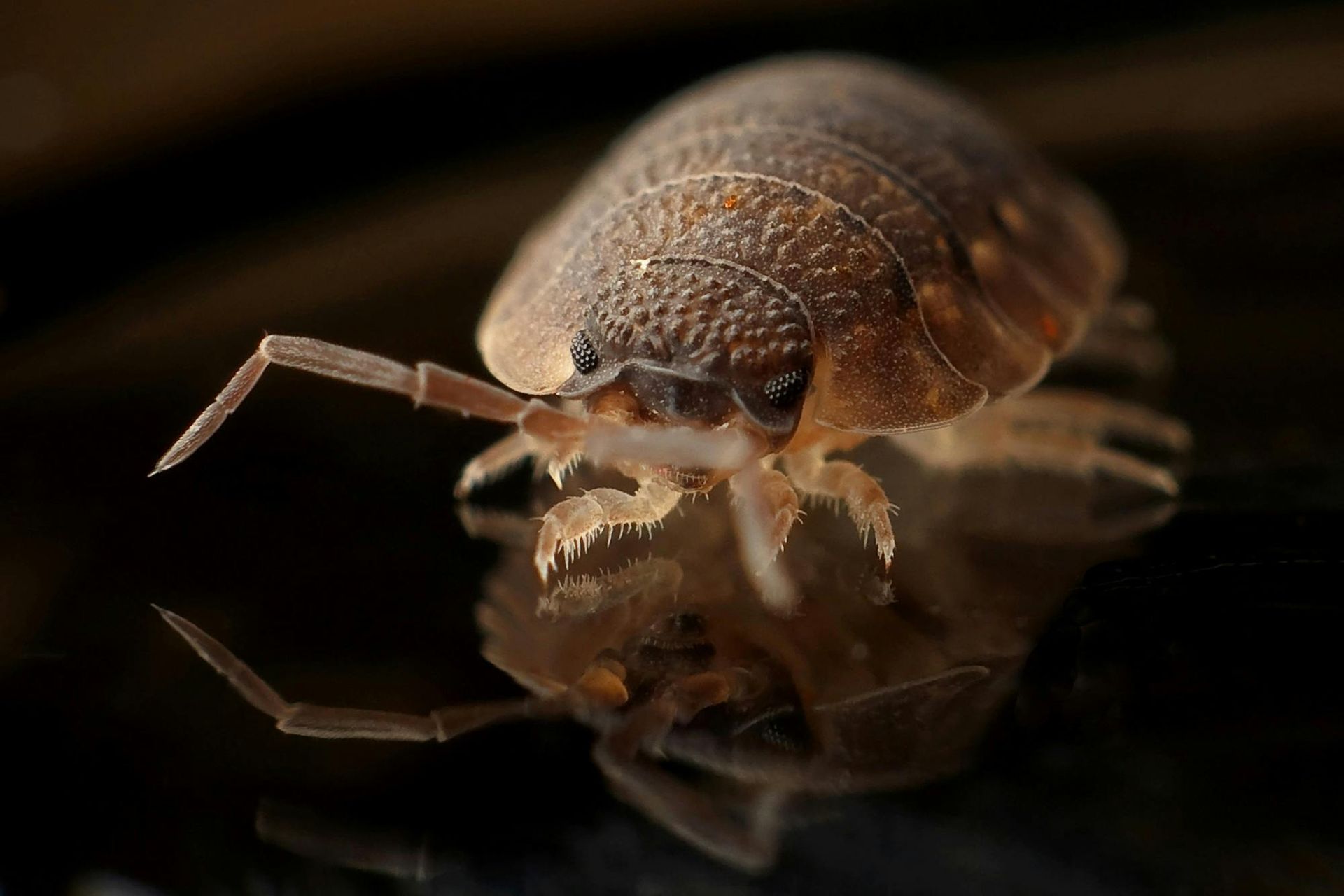
Finding live bed bugs or their shed skins provides definitive proof of an active infestation. Adult bed bugs are about the size of an apple seed, oval-shaped, and brown in color. After feeding, they become redder and more swollen. Young bed bugs, called nymphs, are smaller and lighter in color, making them more difficult to spot with the naked eye.
Bed bugs are primarily active during nighttime hours and prefer to hide in dark, secluded areas during the day. They commonly hide in mattress seams, box spring corners, bed frames, headboards, and upholstered furniture. You might also find them behind picture frames, in electrical outlets, along baseboards, or in curtain folds near sleeping areas.
| Life Stage | Size | Color | Visibility |
|---|---|---|---|
| Eggs | 1 mm | White/Clear | Difficult to see |
| Nymphs | 1-4 mm | Light brown/Clear | Hard to spot |
| Adults | 4-7 mm | Brown/Reddish | Easily visible |
Where to look for live bugs:
- Mattress and box spring seams
- Bed frame joints and headboard crevices
- Upholstered furniture seams and cushions
- Behind picture frames and wall decorations
- Electrical outlets and switch plates
- Curtains and window treatments
- Along baseboards and carpet edges
You may also discover shed skins, eggshells, or hatched eggs in these same locations. Bed bugs molt five times as they mature, leaving behind translucent, empty shells that resemble their body shape. These shed skins often accumulate in areas where bed bugs congregate and can persist long after the bugs have moved to new locations.
When to Call Professional Pest Control in Shelby
If you've identified one or more of these warning signs, it's time to take action. Bed bug infestations rarely resolve on their own and typically require professional treatment to eliminate completely. While do-it-yourself treatments may provide temporary relief, they often fail to address the entire population and can cause bed bugs to spread to other areas of your home.
Professional pest control services have access to specialized equipment, treatment methods, and expertise necessary for effective bed bug elimination. They can conduct thorough inspections to identify all infested areas, develop comprehensive treatment plans, and provide follow-up services to ensure complete elimination.
When searching for "pest man near me" or pest control services in the Shelby area, look for companies that specialize in bed bug treatment and offer comprehensive inspection services. Many professional pest control companies provide 24-hour pest control services for urgent situations, ensuring you can get help when you need it most.
Prevention and Follow-Up Measures
Once you've addressed an active infestation, implementing prevention strategies helps protect your home from future bed bug problems. Regular inspection of sleeping areas, careful examination of used furniture before bringing it home, and prompt treatment of any suspicious signs can help prevent new infestations from becoming established.
Prevention strategies include:
- Regular inspection of mattresses and bed frames
- Careful examination of used furniture and clothing
- Protective mattress and box spring encasements
- Reduced clutter in sleeping areas
- Professional inspection after travel or house guests
Professional pest control services often provide ongoing monitoring and prevention programs to help maintain a bed bug-free environment. These programs typically include regular inspections, early detection strategies, and immediate response protocols if new activity is discovered.
Frequently Asked Questions
How quickly do bed bugs spread throughout a home?
Bed bugs can spread relatively quickly, moving from room to room through wall voids, electrical conduits, or by hitchhiking on clothing and belongings. A small infestation can expand to multiple rooms within a few weeks to months if left untreated.
Can bed bugs survive in cold Ohio winters?
Yes, bed bugs are well-adapted to indoor environments and can survive cold temperatures when living inside heated homes. Ohio winters do not eliminate bed bug populations that have established themselves indoors.
Are bed bug infestations more common in certain types of housing?
Bed bugs can infest any type of housing, from single-family homes to apartments and condominiums. However, multi-unit buildings may experience more frequent infestations due to shared walls and the potential for bugs to move between units.
How long does professional bed bug treatment typically take?
Most professional bed bug treatments require multiple visits spaced 2-3 weeks apart, with the entire process taking 6-8 weeks to complete. The timeline depends on the severity of the infestation and the treatment methods used.
Do bed bugs carry diseases like other blood-feeding insects?
Currently, there is no scientific evidence that bed bugs transmit diseases to humans, unlike mosquitoes or ticks. However, their bites can cause skin reactions, secondary infections from scratching, and sleep disruption.
Final Thoughts
Recognizing the early signs of bed bug infestation in your Shelby home allows for prompt treatment and prevents minor problems from becoming major infestations that are more difficult and expensive to eliminate. If you've noticed blood stains on bedding, mysterious bite marks, musty odors, dark spots on furniture, or actual bugs in your sleeping areas, don't delay in seeking professional help. Professional pest control services in the Shelby area have the expertise, tools, and treatment options necessary to eliminate bed bugs effectively and help you reclaim your peaceful night's sleep.
If you've spotted any of these warning signs in your Shelby home, contact our pest control professionals for a thorough inspection and effective treatment plan.
Reference:
https://onlinelibrary.wiley.com/doi/abs/10.1002/anie.201409890
Share this article