Emergency Pest Solutions: How to Act Fast When Bugs Invade
When pests suddenly appear in your home or workplace, it can create stress and discomfort. From crawling insects to flying intruders, bugs can quickly turn a safe space into a nuisance. Acting fast is essential to prevent infestations from worsening. Emergency pest solutions focus on providing immediate relief, stopping the spread, and addressing the root cause of the problem.
While some homeowners attempt to manage pests with DIY methods, these approaches often take time and may not fully resolve the issue. Understanding professional emergency pest solutions, preparation steps, and preventive measures can help you regain control quickly and effectively.
Key Takeaways
- Acting quickly can prevent a small bug problem from becoming a full-blown infestation.
- Emergency pest solutions often combine professional inspections with targeted treatments.
- DIY methods may provide temporary relief but often fail to address the source.
- Quick action involves identifying the pest, isolating affected areas, and choosing the right treatment.
- Preventive strategies can reduce future emergencies and help maintain a pest-free environment.
Understanding the Need for Emergency Pest Solutions
Bugs can invade homes and businesses for various reasons, including seasonal changes, weather conditions, and nearby construction. Certain pests, like ants, cockroaches, or spiders, multiply quickly and can spread throughout a property in a short time.
Immediate action is important because:
- Pests can contaminate food and surfaces.
- Some bugs may carry allergens or pathogens.
- Infestations can damage furniture, fabrics, or structures.
- Delayed response increases the effort and cost of eradication.
Emergency pest solutions aim to respond rapidly and provide targeted relief while minimizing damage and inconvenience.
Common Emergency Pests and Their Challenges
Different pests require different approaches. Understanding the type of pest can help determine the best course of action.
| Pest Type | Challenges | Quick Solutions |
|---|---|---|
| Ants | Build colonies quickly, difficult to locate nests | Baits, professional inspections, sealing entry points |
| Cockroaches | Nocturnal, spread disease, reproduce fast | Gel treatments, sprays, sanitation improvements |
| Spiders | Can bite, hide in corners | Targeted sprays, removal, habitat reduction |
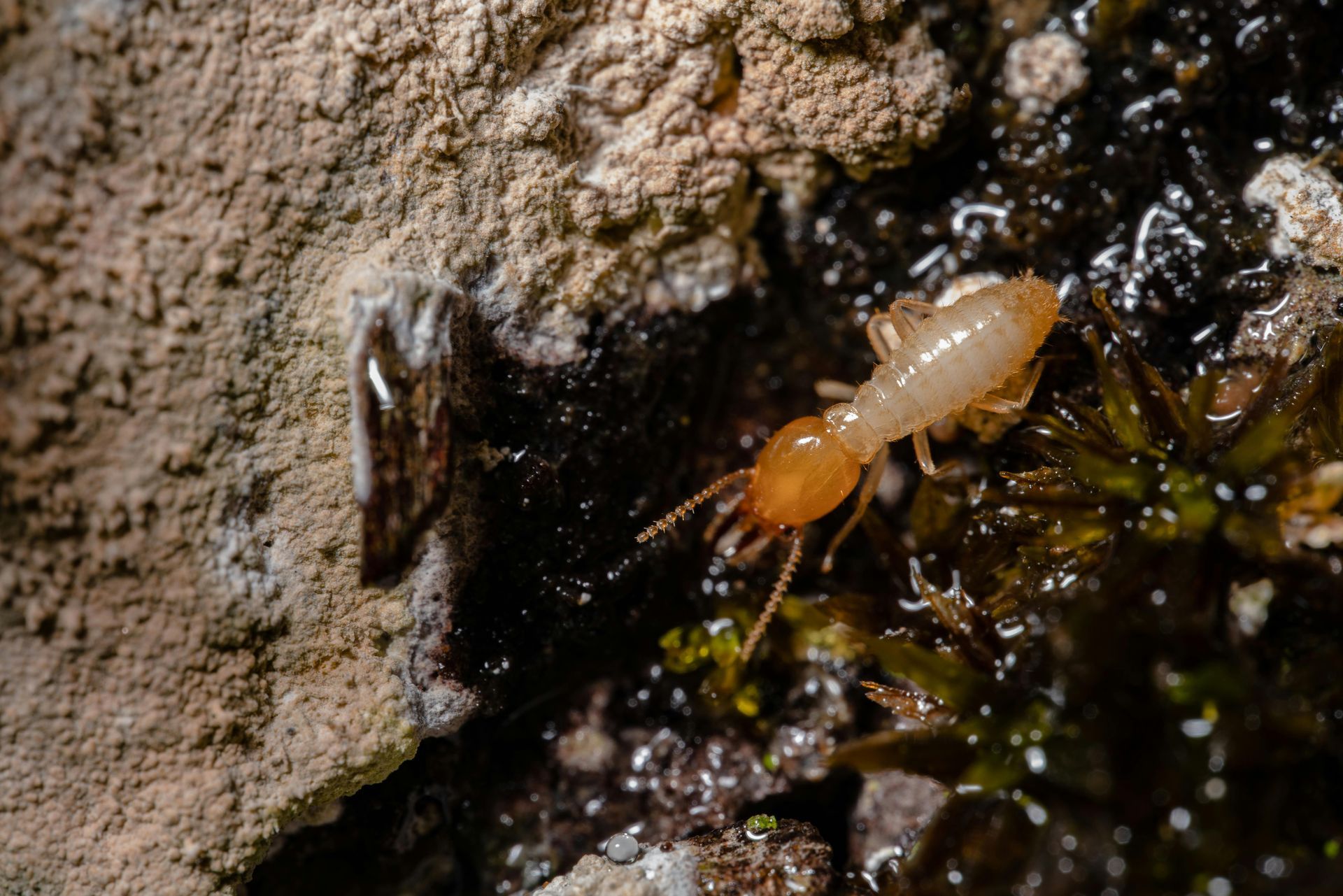
| Termites | Silent structural damage | Professional termite inspection and treatment |
| Rodents | Spread germs, chew wires | Traps, exclusion methods, professional removal |
| Fleas & Ticks | Affect pets and humans | Vacuuming, insecticides, professional treatment |
Step 1: Immediate Actions You Can Take
Even before a professional arrives, there are steps you can take to reduce the impact of a pest emergency:
- Identify the Pest: Observe the type, quantity, and location of the bugs.
- Isolate the Area: Keep pets and children away from infested areas.
- Remove Food and Water Sources: Store food in sealed containers and fix leaks.
- Clean Surfaces: Wipe counters and vacuum floors to reduce attractants.
- Contain Visible Bugs: Use traps or temporary measures to capture bugs safely.
These steps can reduce the spread of pests and make professional treatment more effective.
Step 2: Calling Emergency Pest Services
Professional emergency pest solutions are designed for fast response. When contacting a service, provide clear information:
- Type of pest observed
- Location and size of the infestation
- Any treatments already attempted
- Access details for your property
Local services often prioritize emergency calls and may offer same-day or next-day appointments. Their experience allows them to quickly assess the situation and recommend the most effective treatment plan.
Step 3: Professional Inspection
A rapid but thorough inspection is crucial in emergency pest control. Technicians look for:
- Entry points and structural vulnerabilities
- Nesting or breeding areas
- Signs of previous infestations
- Environmental factors contributing to the problem
Professional inspections help ensure that treatments target both visible pests and hidden sources, reducing the likelihood of recurrence.
Step 4: Immediate Treatment Options
Emergency pest solutions vary based on the type and severity of the infestation. Common treatments include:
- Targeted Sprays: Applied to high-traffic or affected areas
- Baits and Traps: Lure pests and reduce populations effectively
- Gel Applications: For cracks and crevices where bugs hide
- Exclusion Methods: Sealing gaps, cracks, and openings to prevent entry
- Sanitation Recommendations: Guidance for cleaning to discourage future pests
Treatment is usually followed by monitoring to confirm effectiveness.
Step 5: Follow-Up and Prevention
Fast action does not stop after the initial treatment. Follow-up is critical to ensure lasting relief:
- Re-inspection after a few days or weeks
- Adjusting treatment if pests persist
- Advising preventive measures such as sealing entry points and maintaining cleanliness
- Seasonal checks for recurring pests
Prevention reduces the chances of future emergencies and can save time and money in the long run.
DIY Solutions vs Emergency Pest Services
Many homeowners attempt to manage pest emergencies themselves. While DIY methods can provide temporary relief, they often fall short of professional approaches.
Advantages of Professional Services:
- Trained technicians with experience in multiple pest types
- Access to stronger, specialized products
- Faster response time and targeted treatments
- Monitoring and follow-up for long-term results
Limitations of DIY Methods:
- May not reach hidden nests or colonies
- Can require repeated applications over time
- Products may be less effective or improperly applied
- Risk of safety issues with chemical handling
While DIY products can complement professional treatment, relying solely on them can prolong infestations.
How to Prepare for a Pest Emergency
Preparation can reduce the impact of unexpected pest invasions. Homeowners and businesses can take proactive steps:
- Seal cracks and openings around doors, windows, and foundations
- Maintain regular cleaning routines
- Store food in sealed containers
- Keep outdoor areas tidy and free of debris
- Inspect pets and livestock for parasites
Being prepared helps professionals act faster and improves the overall effectiveness of emergency pest solutions.
Seasonal Considerations for Pest Emergencies
Different times of the year may bring different pest challenges:
- Spring: Ants and termites become active
- Summer: Mosquitoes, flies, and spiders increase
- Fall: Rodents seek shelter indoors
- Winter: Some insects like cockroaches may move indoors for warmth
Understanding seasonal patterns can help you anticipate potential emergencies and take preventive measures early.
Cost Considerations in Emergency Pest Solutions
Emergency pest services often cost more than scheduled treatments due to urgency, but the investment can save money in the long term:
- Avoids structural damage from delayed action
- Reduces repeat treatments needed if DIY fails
- Protects food and property from contamination or destruction
Discussing pricing and service options with a professional can help you select a solution that fits your needs and budget.
Safety Tips During an Infestation
Safety is a major concern during pest emergencies. Some guidelines include:
- Keep children and pets away from treated areas
- Wear gloves and masks if handling traps or chemicals
- Avoid mixing products or applying in enclosed spaces
- Follow technician instructions carefully
Professional services follow strict safety protocols to minimize risk while achieving fast results.
How to Choose the Right Emergency Pest Service
When selecting a service, consider:
- Local availability and response time
- Reviews and reputation
- Expertise with your specific pest
- Guarantees or follow-up services
- Transparency in pricing and methods
Choosing the right professional ensures faster relief and long-term results.
Frequently Asked Questions
How fast can emergency pest services arrive?
Many local companies can respond the same day or within 24 hours, depending on availability and location.
Will all pests disappear immediately?
Some treatments work quickly, but complete elimination may take several days to address hidden nests and eggs.
Are emergency pest treatments safe for pets and children?
Professional services follow safety guidelines, and technicians provide instructions to minimize exposure risks.
Can DIY methods be used alongside emergency services?
It is best to inform the technician about any DIY products used, as some chemicals may interfere with professional treatments.
How often should follow-up visits occur?
Follow-up schedules vary depending on the pest type and severity of the infestation. Some may require one to two visits, while others may need periodic checks.
Final Thoughts
Pest emergencies can be stressful, but acting fast makes a significant difference. Emergency pest solutions provide immediate relief while addressing the source of the problem. By combining professional inspections, targeted treatments, and preventive strategies, you can regain control quickly and reduce the chance of recurrence.
DIY methods may help in minor situations, but
professional services are often faster, safer, and more effective for serious infestations. Preparation, quick action, and follow-up are key components of successful pest management.
If your roach problem has spiraled out of control — multiple sightings during the day, an odor you can't get rid of, or eggs turning up in silverware drawers — don't wait for a regular appointment. Liberty Shield's
emergency pest control team can often get to you the same day. Call or text
419-689-3634 now.
If pests have invaded your home or business, do not wait. Contact a trusted emergency pest service today to act fast, stop the spread, and protect your property.
Reference:
https://www.qualityassurancemag.com/article/top-10-things-to-know-about-pest-exclusion/
Share this article