Common Ohio Bug and Pest Control Mistakes Homeowners Make
Pest control is an essential aspect of maintaining a healthy and comfortable home in Ohio. From ants and spiders to rodents and termites, homeowners face a variety of challenges throughout the year. Despite their best intentions, many homeowners make common mistakes that reduce the effectiveness of pest control measures, often leading to recurring infestations or costly repairs.
This guide highlights the most frequent
Ohio bug and pest control mistakes homeowners make, explains why they matter, and provides practical advice to help prevent issues before they become major problems.
Key Takeaways
- Ignoring small infestations can allow pests to multiply rapidly.
- Improper use of pesticides may harm people, pets, and the environment.
- Failing to seal entry points is a leading cause of indoor pest problems.
- Poor home maintenance can create ideal conditions for pests.
- Lack of seasonal pest preparation increases the risk of infestations.
- Consulting with professional Ohio pest control services often saves time and money.
Understanding Common Ohio Pests
Ohio is home to a wide variety of pests due to its seasonal climate, diverse landscapes, and suburban and rural settings. Some of the most common pests include:
- Ants: Particularly carpenter ants, which can damage wood structures.
- Spiders: Including both common house spiders and occasional brown recluse sightings.
- Rodents: Mice and rats, which can carry disease and damage wiring.
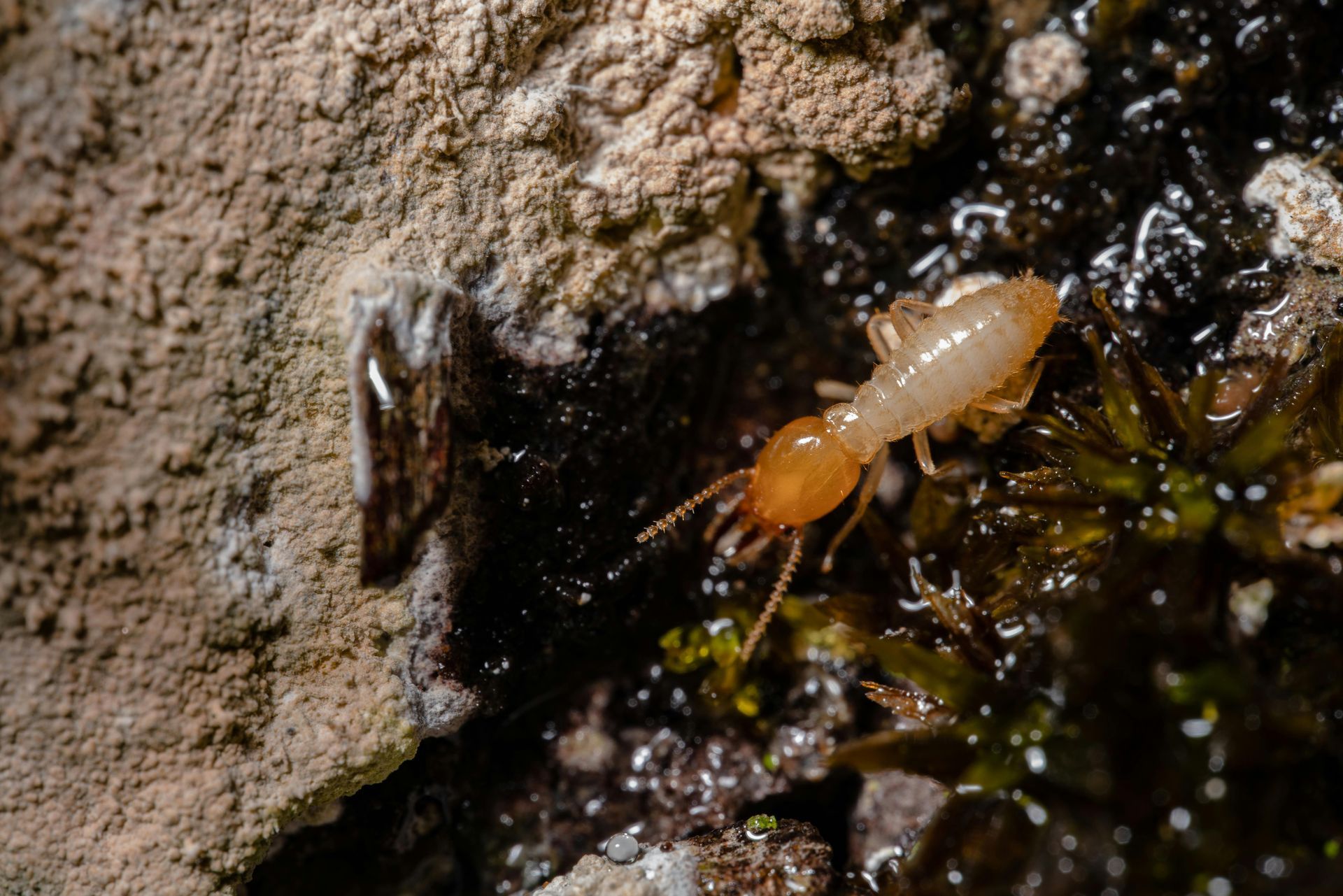
- Termites: Subterranean termites that compromise wooden structures.
- Wasps and Bees: Creating nests near homes or outdoor living areas.
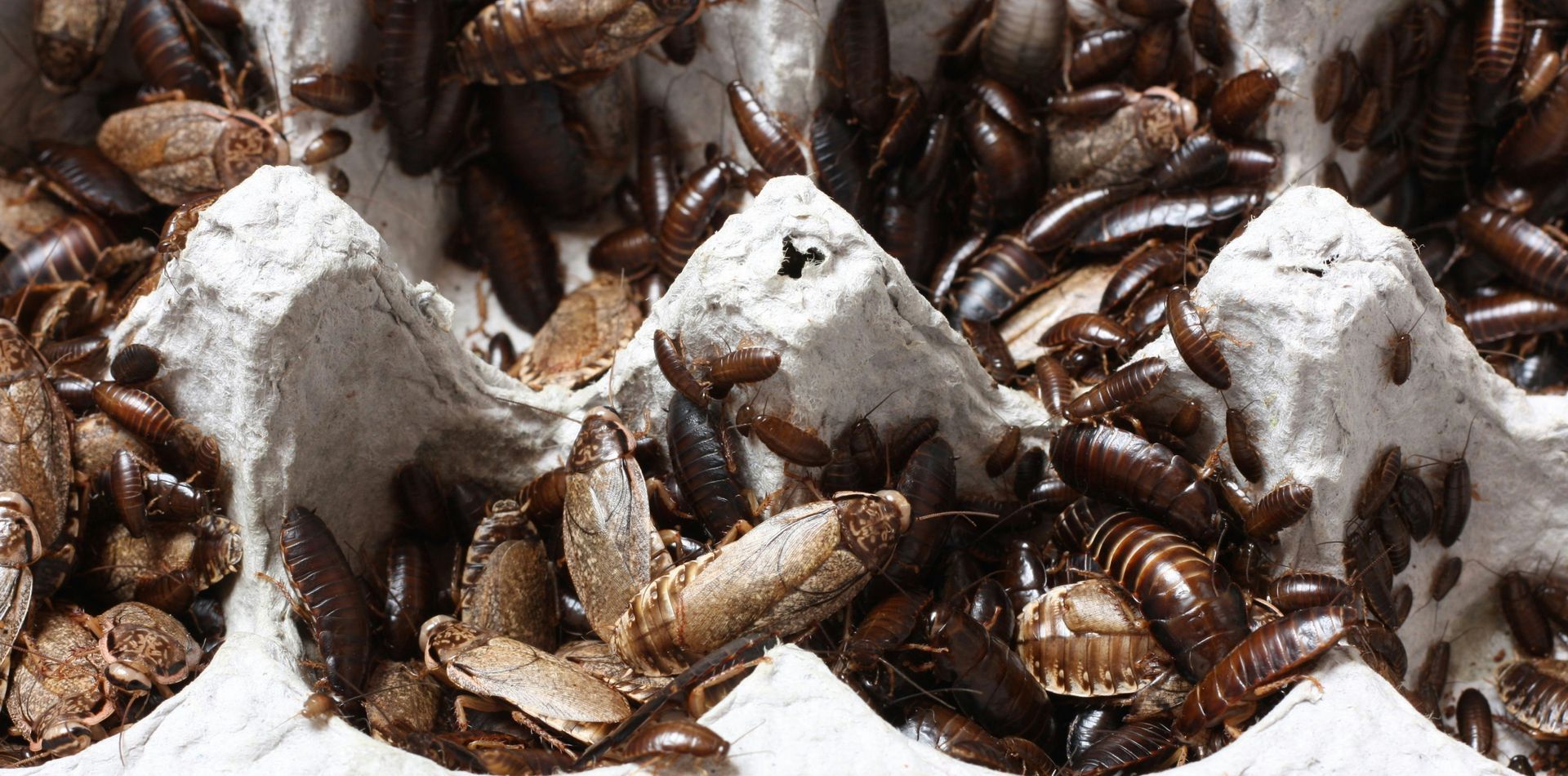
- Cockroaches: Primarily German and American species attracted to food and moisture.
Understanding the behavior and seasonal patterns of these pests can help homeowners implement more effective prevention strategies.
Mistake 1: Ignoring Early Signs of Infestation
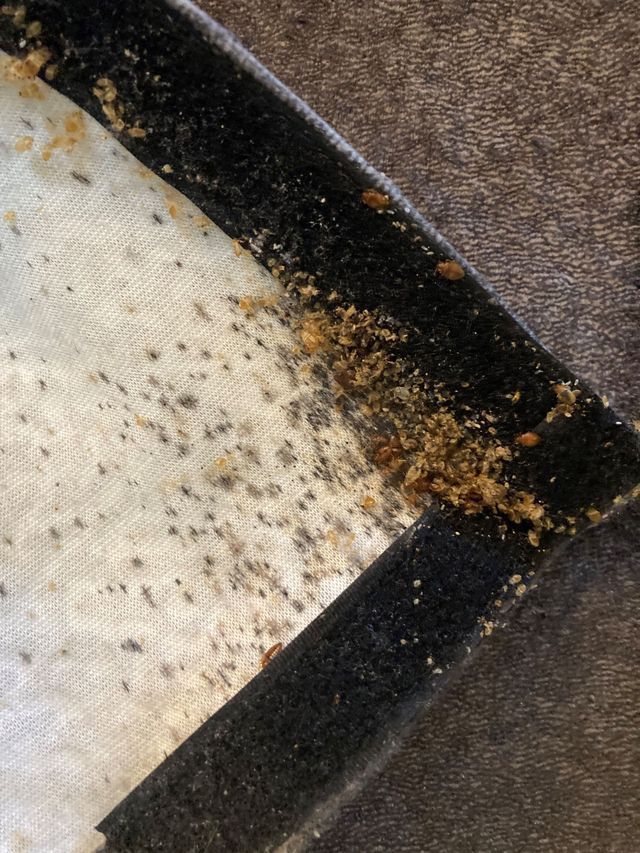
One of the most frequent mistakes is failing to act on early signs of pests. Small sightings or minor damage are often dismissed as insignificant, but ignoring these warning signs can allow infestations to grow.
Signs to Watch For
- Droppings or urine stains from rodents
- Chewed wires, wood, or insulation
- Dead insects or shed skins
- Visible nests in and around the home
- Unusual odors in hidden areas
By addressing these signs promptly, homeowners can prevent more serious problems and reduce the need for extensive interventions.
Mistake 2: Using Pesticides Incorrectly
Homeowners sometimes assume that any pesticide application will solve the problem. Incorrect use can lead to:
- Reduced effectiveness due to improper dosage or placement
- Potential health risks to family members and pets
- Environmental contamination
Best Practices
- Read product labels carefully and follow instructions
- Target areas where pests are most active rather than broad spraying
- Avoid mixing chemicals unless explicitly recommended
- Store pesticides safely out of reach of children and pets
Education on proper pesticide use can help maximize results while minimizing risks.
Mistake 3: Neglecting Entry Point Sealing
Many pests enter homes through cracks, gaps, and other entry points. Even small openings around doors, windows, and utility lines can provide access for insects and rodents.
Common Entry Points
| Step | Procedure | Equipment Used |
|---|---|---|
| Assessment | Identify all affected areas and contamination levels | UV lights, moisture meters |
| Ventilation | Establish airflow patterns to prevent odor spread | Industrial fans, air scrubbers |
| Decontamination | Apply neutralizing agents to affected surfaces | Fogging equipment, sprayers |
| Cleaning | Remove contaminated materials and debris | HEPA vacuums, cleaning solutions |
| Restoration | Replace or treat damaged materials | Ozone generators, sealers |
Sealing these points with weatherstripping, caulk, or mesh can significantly reduce the likelihood of infestation.
Mistake 4: Poor Home Maintenance
Home maintenance directly impacts pest control. Moisture, clutter, and neglected landscaping create ideal environments for pests.
Maintenance Tips
- Keep gutters clean and direct water away from foundations
- Remove standing water in yards and planters
- Regularly trim shrubs and trees near the home
- Reduce clutter in basements, attics, and garages
- Store firewood away from the house
A well-maintained property is less attractive to pests and easier to inspect.
Mistake 5: Skipping Seasonal Preparation
Pest activity varies with the seasons in Ohio. Many homeowners fail to adjust prevention measures according to seasonal changes.
Seasonal Considerations
- Spring: Ants, termites, and flying insects become more active
- Summer: Wasps, bees, and spiders reach peak activity
- Fall: Rodents seek indoor shelter as temperatures drop
- Winter: Stored pests and occasional overwintering insects may appear indoors
Preparing for seasonal changes can help reduce the intensity and frequency of infestations.
Effective Cleaning Practices to Reduce Pest Attraction
Cleanliness is one of the most overlooked aspects of pest prevention. Many pests are attracted to food residue, trash, and organic debris.
Key Cleaning Tips
- Wipe down countertops and dining areas daily
- Store food in sealed containers
- Take out trash regularly and keep bins covered
- Clean under appliances and behind furniture
- Maintain clean pet feeding areas
Routine cleaning reduces food sources for pests and discourages them from settling in your home.
Landscaping Tips That Help Minimize Pest Problems
Landscaping choices can either invite or repel pests. Certain designs and practices help homeowners keep pests at bay.
Best Landscaping Practices
- Maintain a clear zone around the foundation by trimming shrubs
- Avoid stacking firewood directly against the home
- Remove leaf litter, mulch, and debris where insects may hide
- Plant pest-resistant vegetation near entrances
- Use gravel or hardscaping around high-risk areas to deter rodents
A well-planned landscape reduces the opportunities for pests to enter and thrive near your home.
Proper Food Storage and Waste Management for Pest Prevention
Food and waste are common attractants for pests. Neglecting proper storage and disposal methods can quickly lead to infestations.
Tips for Homeowners
- Keep pantry items in airtight containers
- Dispose of spoiled food promptly
- Clean recycling bins regularly
- Avoid leaving pet food out overnight
- Compost responsibly, ensuring bins are pest-proof
Small changes in storage and disposal habits can significantly reduce indoor pest activity.
Seasonal Home Maintenance Checklist for Pest Control
Regular home maintenance reduces vulnerabilities that pests exploit. A seasonal checklist helps homeowners stay proactive.
Suggested Seasonal Actions
- Inspect for cracks, gaps, or foundation damage each season
- Maintain gutters and downspouts to prevent water accumulation
- Check attic and basement for leaks or moisture buildup
- Clean vents, ducts, and crawl spaces regularly
- Prepare outdoor areas for seasonal pests like wasps and mosquitoes
Consistent seasonal maintenance ensures homes remain less attractive to pests year-round.
Mistake 6: DIY Overreliance Without Professional Guidance
While DIY pest control methods can be helpful, relying exclusively on home remedies may not address all underlying issues.
Limitations of DIY Methods
- Surface treatments may not reach nesting areas
- Structural issues like foundation cracks may remain untreated
- Persistent pests may require professional-grade solutions
Consulting with a licensed Ohio pest control professional ensures that infestations are thoroughly assessed and treated.
Mistake 7: Ignoring Outdoor Pest Management
Pests often originate outside the home. Neglecting the exterior environment can undermine indoor pest control efforts.
Effective Outdoor Practices
- Maintain lawns and remove debris where insects can hide
- Inspect fences, sheds, and decks for signs of termites or ants
- Install barriers or gravel around foundations to reduce rodent access
- Use outdoor-safe pest control products when needed
By addressing the source, homeowners can reduce recurring problems inside their homes.
Mistake 8: Failing to Monitor and Follow Up
Pest control is not a one-time event. Lack of monitoring and follow-up can allow populations to rebound.
Monitoring Strategies
- Regularly inspect high-risk areas such as kitchens, basements, and attics
- Keep records of sightings and treatments
- Adjust prevention measures as needed
Consistent monitoring helps catch small problems before they become major infestations.
Mistake 9: Overlooking Specialized Pests
Some Ohio pests, such as carpenter ants, termites, or invasive species, require specific attention. Treating these pests like general insects may be ineffective.
Recommendations
- Learn about region-specific pests
- Use targeted treatments approved for the species
- Consider professional inspection for early detection
Addressing specialized pests properly helps protect structural integrity and long-term property value.
Mistake 10: Neglecting Education and Awareness
Many homeowners are unaware of pest behavior, habits, and lifecycle, which can lead to ineffective control strategies.
How to Stay Informed
- Attend local workshops or webinars on pest management
- Consult resources from Ohio State University Extension or state pest agencies
- Ask professionals for guidance on preventive measures
Education empowers homeowners to make informed decisions and prevent common mistakes.
Frequently Asked Questions
How quickly can emergency pest removal services respond to skunk situations?
Most professional services provide emergency response within 2-4 hours for urgent situations involving trapped or aggressive skunks. Response times may vary based on location and current service demand in the area.
What should I do if I encounter a skunk on my property before professionals arrive?
Avoid direct contact and keep pets and family members indoors until professional help arrives. Do not attempt to remove the skunk yourself as this increases spray risk and potential injury.
How do I know if skunks have established a den under my building?
Signs include strong musky odors, visible digging around foundation areas, tracks in soft soil, and nighttime scratching or movement sounds. Professional assessment can confirm active den sites and determine removal needs.
Are professional skunk removal services available year-round?
Yes, emergency exterminator services operate throughout all seasons, though activity levels may vary with weather patterns. Many companies provide 24/7 exterminator availability for urgent situations, regardless of season.
What prevention measures work best after professional skunk removal?
Professional exclusion installation, habitat modification, and regular property inspections provide the most effective long-term protection. DIY prevention methods often fail due to inadequate materials or installation errors.
Final Thoughts
Ohio homeowners face a variety of pest challenges throughout the year. Mistakes such as ignoring early signs, improper pesticide use, failing to seal entry points, poor maintenance, and skipping seasonal preparation can lead to recurring infestations. By understanding these common pitfalls and incorporating cleaning, landscaping, and seasonal maintenance strategies, homeowners can significantly reduce the risk of infestations.
Preventing pests requires ongoing awareness, careful planning, and sometimes
professional guidance. By taking proactive steps, homeowners can protect their property, reduce frustration, and ensure pest control efforts are effective.
If you are dealing with recurring pests or want a professional assessment, contact our team of licensed Ohio pest control service.
Reference:
https://www.qualityassurancemag.com/article/top-10-things-to-know-about-pest-exclusion/
Share this article